

The Concept of Luck in Gambling
Luck is often seen as a significant factor in gambling, where many players believe that a fortunate streak can lead to winning outcomes. This concept revolves around the idea that sometimes, the randomness of a game can favor a player. For example, if you enjoy playing slots, you might find the best online casino offers some of the most exciting jackpots. You might hear stories of individuals who hit the jackpot seemingly out of the blue or pull a winning hand just when they need it the most. These instances feed the belief that luck plays a critical role in determining the fate of any gaming session.
However, luck is a complex and often misunderstood phenomenon. In the context of casinos, luck typically refers to the unpredictable nature of chance, which can either work in a player’s favor or against them. While statistical models can analyze the probabilities of winning, they cannot account for serendipitous events that happen randomly during gameplay. Hence, many find themselves debating whether luck is merely a superstition or a tangible factor in casino outcomes.
Ultimately, embracing the notion of luck can enhance the gaming experience. Many players engage in rituals or bring personal items that they associate with good fortune. This behavior suggests that belief in luck can positively influence a player’s mindset, perhaps even indirectly impacting their performance. The psychological aspect of feeling lucky can boost confidence, leading to more decisive gameplay and potentially better outcomes.
The Role of Skill versus Luck
In various casino games, the debate between skill and luck is a perennial topic. Games such as poker and blackjack require a certain level of skill, strategic thinking, and psychological insight. These games are less reliant on pure chance and allow players to leverage their abilities to gain an advantage. A seasoned poker player, for instance, can read opponents and make informed decisions based on probabilities, thus diminishing the randomness involved.
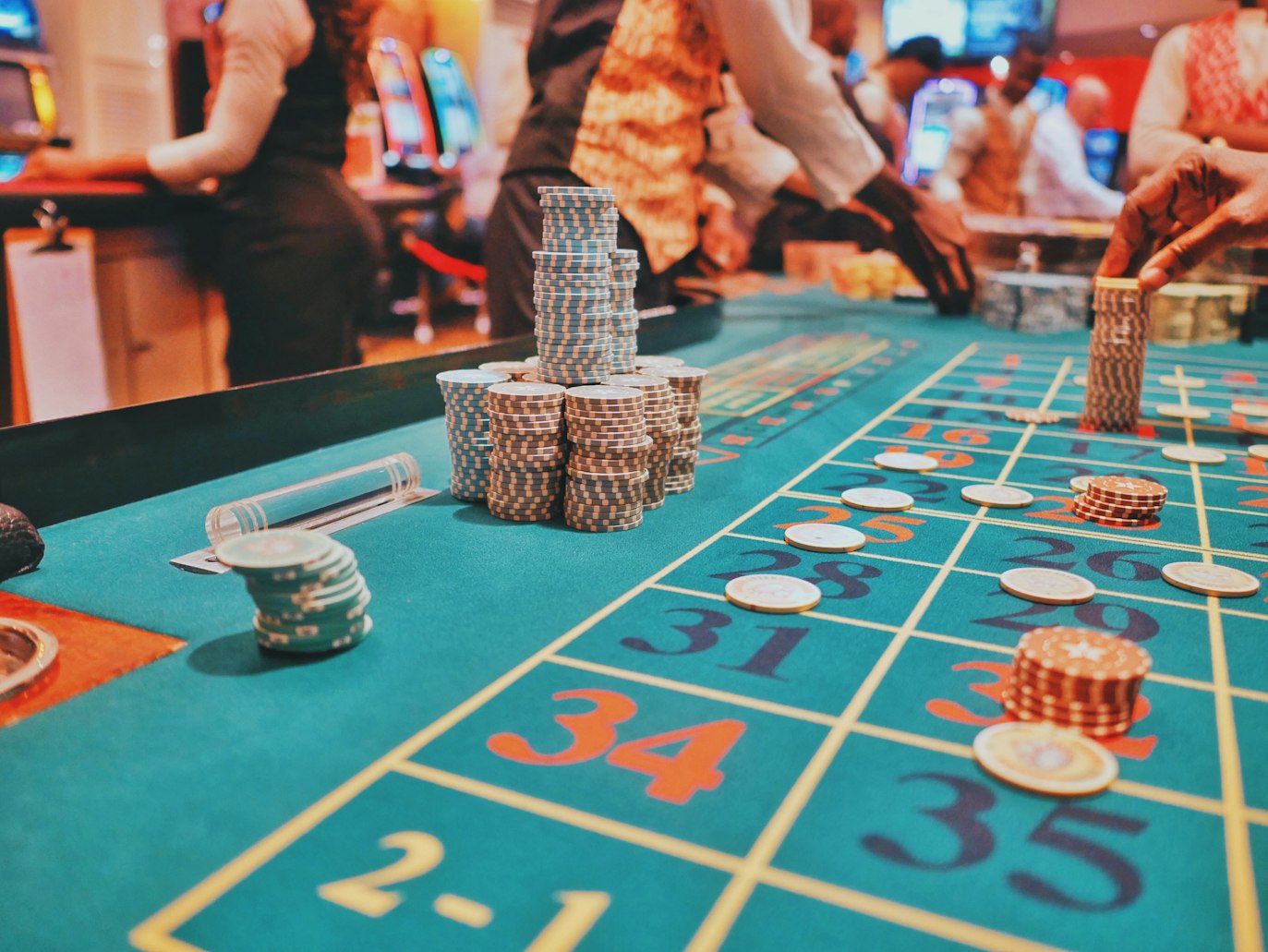
Conversely, games of pure chance, like slots and roulette, hinge entirely on luck. Players have no control over the outcome, as these games rely on random number generators to determine results. While a player can mitigate losses through wise bankroll management or by choosing games with better odds, the core of these games remains rooted in luck. This distinction highlights that while luck governs many outcomes in casinos, skill can still play a decisive role in specific games.
Moreover, the balance between luck and skill varies from game to game and player to player. Novice players often find themselves at the mercy of luck, while experienced gamblers may rely more on their honed skills to navigate through challenges. This interplay creates a dynamic gaming environment that both casual and serious gamblers find captivating. Understanding where your preferred games fall on this spectrum can help you make more informed choices when placing bets.
The Psychological Impact of Luck on Players
The psychological influence of luck can have profound effects on how players approach gambling. Many individuals enter casinos with a mindset attuned to finding luck, believing that certain days or times are luckier than others. This belief can lead to increased excitement and engagement, enhancing the overall gaming experience. Moreover, the thrill of chance keeps players returning, as the hope of hitting it big remains ever-present.
Superstitions further amplify the psychological connection between players and luck. Rituals like blowing on dice, wearing lucky charms, or choosing specific seating arrangements can create a comforting atmosphere that players associate with good fortune. These behaviors, though irrational, are rooted in the human desire to exert some control over the randomness of chance, providing emotional stability in an uncertain environment.
Additionally, the outcome of a game can significantly affect a player’s mood and subsequent decisions. Winning might lead to increased risk-taking, as players might ride their wave of good fortune. In contrast, losing streaks can induce feelings of frustration or desperation, leading to poor gambling choices, such as chasing losses. Understanding this psychological landscape is crucial for players who wish to maintain a balanced approach to gambling, where rational decision-making outweighs the lure of fleeting luck.
The House Edge and Luck
The concept of the house edge is fundamental to understanding the relationship between luck and casino outcomes. Every game in a casino is designed so that the house has a statistical advantage over players. This edge ensures that, over the long term, the casino will profit, regardless of the luck that players may experience in the short run. For instance, in a game of blackjack, the house edge can be reduced through optimal strategies, yet it never entirely disappears.

While luck can lead to exceptional wins in the short term, the house edge means that players are statistically more likely to lose over time. This reality underscores that while a lucky streak can occur, it’s essential to remember that the odds are not in favor of the player in the long run. Hence, while players may feel lucky at times, the designs of these games ensure that the house ultimately reaps the benefits.
This understanding can serve both as a warning and a guiding principle for gamblers. It encourages responsible gaming, as reliance solely on luck may lead to overconfidence and potentially harmful betting behaviors. By recognizing the influence of the house edge, players can approach their gaming experience with a balanced view, acknowledging luck’s role while remaining aware of the underlying statistical realities.
Exploring Resources for Responsible Gambling
For those interested in further exploring the dynamics of luck and skill in gambling, various resources are available that promote responsible gaming. Many online platforms provide education about odds and strategies, helping players make informed decisions. Additionally, articles and forums dedicated to discussion around luck in casinos can offer insights from fellow gamblers, sharing personal experiences and strategies.
Moreover, organizations that focus on responsible gambling frequently offer tools and advice for managing playtime and finances. Understanding the interplay between luck and skill allows players to develop a more nuanced approach to gaming. These resources also emphasize the importance of setting limits and recognizing the signs of compulsive gambling behavior, ensuring that luck remains a fun and exciting aspect of the experience rather than a harmful obsession.
In conclusion, while luck undoubtedly plays a role in casino outcomes, it exists alongside skill, strategy, and house rules. By utilizing educational resources, players can enhance their understanding of chance, which can lead to more enjoyable and responsible gaming experiences. Embracing a balanced view of luck within the broader context of gambling can empower players to navigate the thrilling world of casinos more effectively.
